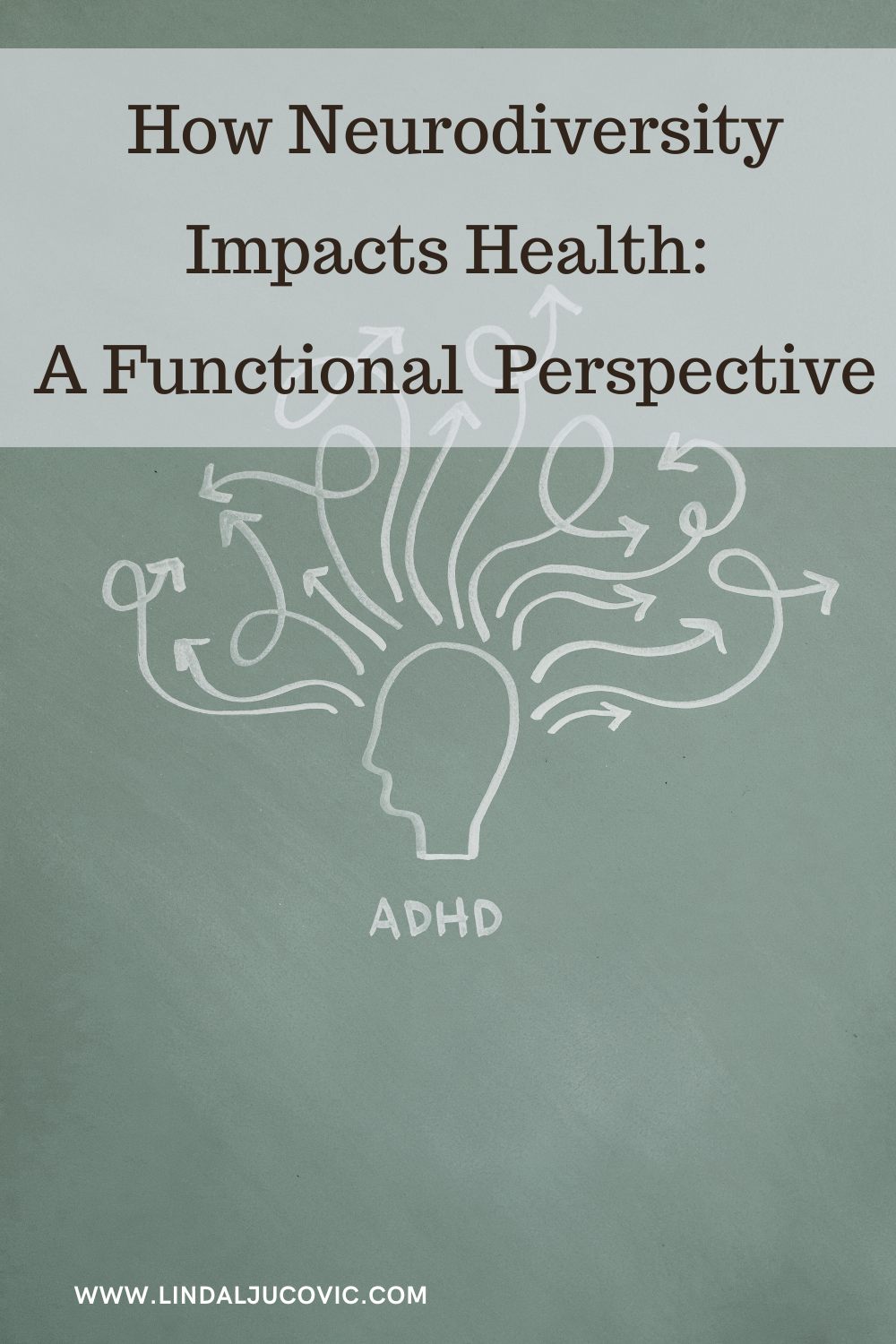
How Neurodiversity Impacts Health: A Functional Medicine Perspective
Have you ever wondered why some people seem to have heightened sensitivity to foods, chemicals, or stress… while others appear unaffected?
Or why certain individuals struggle with sleep, digestive issues, or chronic fatigue—despite doing “all the right things”?
In the world of Functional Diagnostic Nutrition (FDN), these patterns aren’t random—they’re clues. And for many, neurodiversity is a foundational piece of the health puzzle.
What Is Neurodiversity?
Neurodiversity refers to natural variations in brain wiring and functioning. This includes ADHD, autism, dyslexia, sensory processing differences, and more. It’s not a disorder—it’s a different way of experiencing and interacting with the world.
Neurodivergent individuals often have incredible strengths—creativity, innovation, deep focus, and empathy. But these gifts sometimes come with unique challenges… especially when it comes to health.
The Nervous System Connection
Many neurodivergent individuals live in a heightened state of nervous system activation. Think of it like being stuck in “high alert mode”—processing more stimuli, more intensely, more often.
This state of chronic sympathetic dominance (fight-or-flight) can wreak havoc on:
Digestion (sluggish motility, food sensitivities, IBS-like symptoms)
Hormones (especially cortisol, estrogen, and melatonin)
Sleep (trouble falling asleep or staying asleep)
Detoxification (increased sensitivity to toxins, poor liver function)
Immune Function (more inflammation, autoimmunity, or histamine issues)
From an FDN perspective, the nervous system is a core pillar of healing. And for neurodivergent individuals, supporting nervous system regulation is non-negotiable.
The Role of Trauma and Belief Systems
Here’s another piece: Many neurodivergent people grow up feeling “different,” “too much,” or “not enough.” This can lead to perfectionism, people-pleasing, disordered eating, anxiety, and chronic stress patterns that get embedded in the body.
In FDN, we look at how emotions, experiences, and belief systems shape physical health—not just what’s on your plate or in your lab results.
This mind-body connection is critical for deep healing.
Functional Lab Testing for Neurodivergent Clients
Functional lab work can reveal hidden stressors that disproportionately impact neurodivergent folks, such as:
Mineral imbalances (like low magnesium or zinc, both common in ADHD)
Blood sugar dysregulation (common with impulsivity and mood swings)
Gut dysbiosis or candida overgrowth
Heavy metal or chemical exposure
High oxidative stress or poor methylation pathways
Lab results often confirm what neurodivergent clients already know: their body is more reactive—and more in need of intentional support.
Supporting Neurodiversity Functionally
Here’s how we approach this holistically in FDN:
✅ Nervous System Regulation
Through breathwork, somatic tools, gentle movement, and nervous system-friendly routines.
✅ Mineral and Nutrient Repletion
Using HTMA or blood work to address deficiencies that affect mood, focus, and energy.
✅ Gut and Liver Support
To help the body handle environmental stressors, reduce inflammation, and support detox pathways.
✅ Blood Sugar Balance
With protein-rich, anti-inflammatory meals and strategic supplementation.
✅ Emotional Resilience + Mindset Work
To challenge old narratives of “not enough” and create a healing, empowered inner dialogue.
Final Thoughts
Neurodiversity isn’t something to “fix”—it’s something to understand. When we acknowledge how a differently wired brain affects the entire system, we can finally stop treating symptoms in isolation.
We begin to see the whole person.
In my practice, I’ve seen firsthand how recognizing and supporting neurodivergence—through both functional testing and a trauma-informed lens—can change everything. Not just for the body, but for the soul.
If you suspect neurodivergence is part of your story, or your child’s, know this: there’s nothing wrong with you. Your body isn’t broken. You just need support that honours your unique wiring.
And that’s what functional nutrition does best.