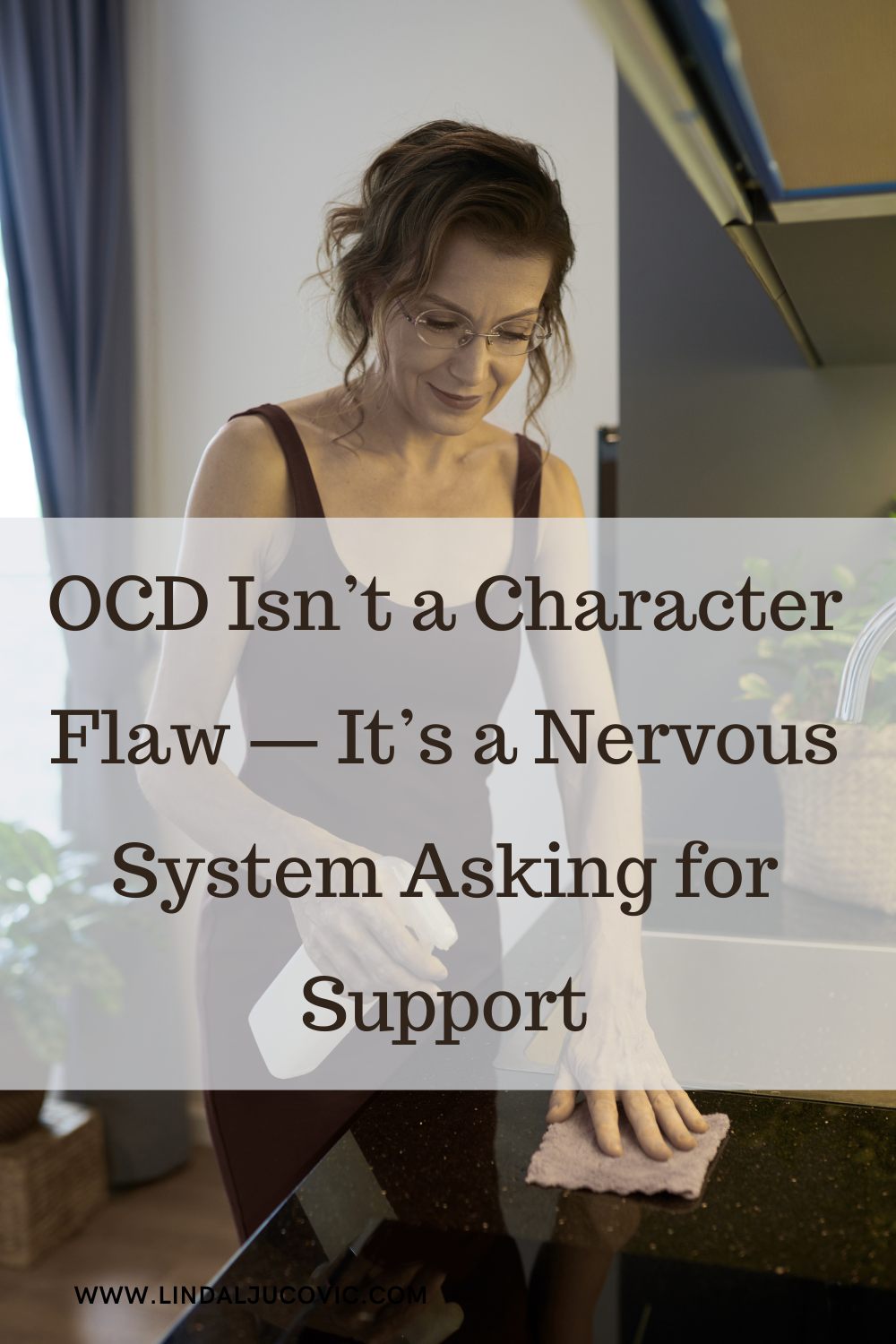
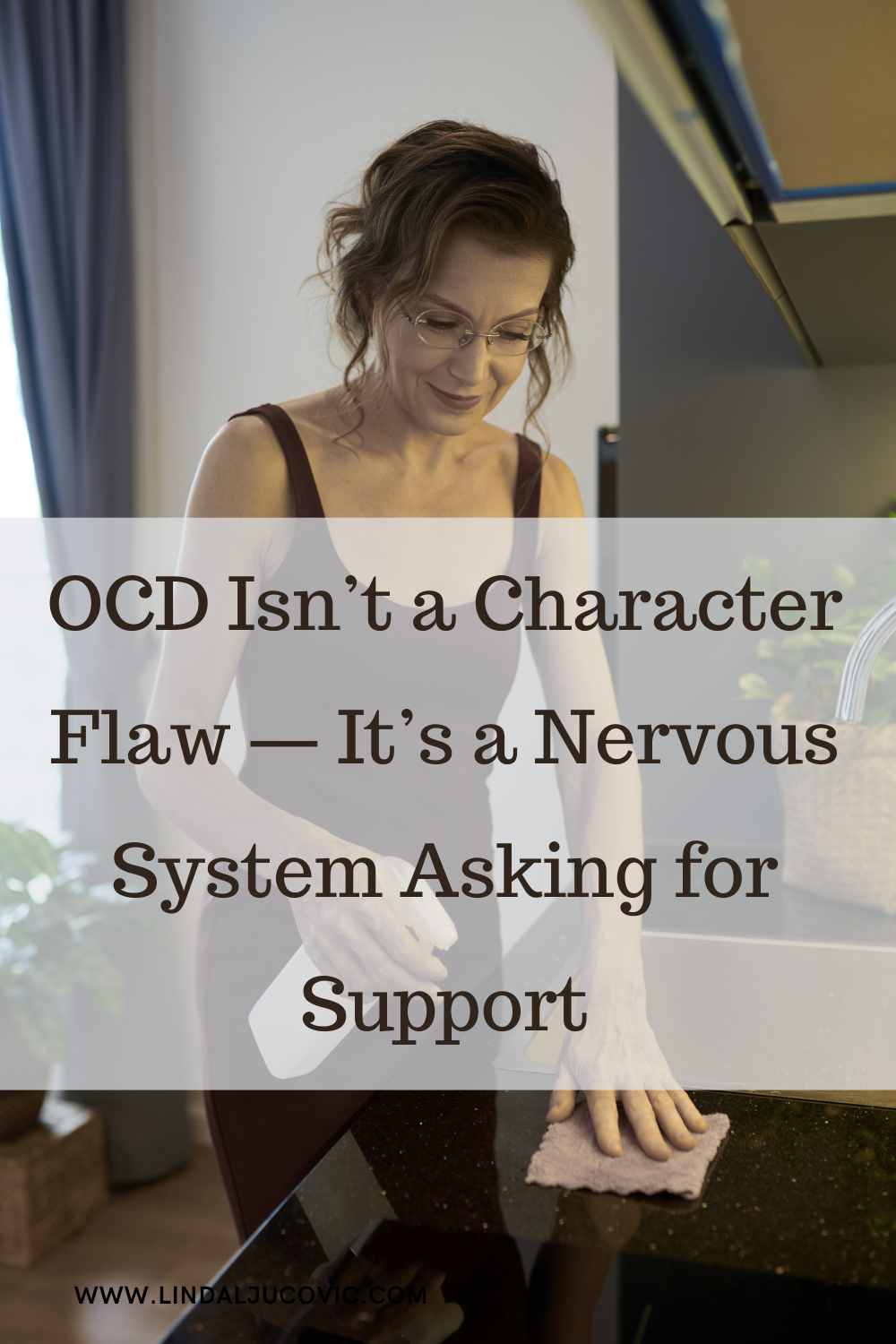
OCD Isn’t a Character Flaw — It’s a Nervous System Asking for Support
When someone lives with OCD, the story they’re often told is simple and heavy:
This is just how your brain works.”
But from a Functional Diagnostic Nutrition (FDN®) perspective, OCD isn’t viewed as a flaw, a failure of willpower, or something to simply suppress.
It’s seen as a protective response — a nervous system doing its best to keep someone safe.
The real question isn’t “How do we stop the thoughts?”
It’s:
Why does the body feel unsafe enough to loop, control, and fixate in the first place?
OCD Through a Root-Cause Lens
FDN does not diagnose or treat mental health conditions — and it never replaces therapy or medical care.
What it does do is look underneath the symptoms to understand what may be driving the biology of anxiety, rigidity, and compulsive patterns.
OCD often reflects:
A chronically activated fight-or-flight nervous system
Poor stress buffering capacity
Neuroinflammation
Mineral and nutrient depletion
Blood sugar and cortisol instability
In other words, the brain may be working overtime because the body doesn’t feel safe.
The Nervous System Comes First
OCD behaviours are not random — they often reduce anxiety temporarily.
Checking, reassurance-seeking, mental loops, or rituals can calm the nervous system just enough to get through the moment.
FDN asks:
Is the nervous system stuck in sympathetic overdrive?
Is there enough parasympathetic tone to allow rest, digestion, and calm?
Support often begins with:
Slow breathing with extended exhales
Gentle, predictable routines
Reducing overstimulation (caffeine, fasting, intense exercise early on)
Creating physical cues of safety (warmth, rhythm, consistency)
A nervous system that feels unsafe will not respond to logic alone.
Minerals: The Missing Piece for Many Brains
One of the most overlooked contributors to anxiety and OCD-like symptoms is mineral imbalance.
Through Hair Tissue Mineral Analysis (HTMA), patterns often emerge such as:
High calcium relative to magnesium → rigid thinking, looping
Low zinc or elevated copper → anxiety, intrusive thoughts
Low sodium and potassium → poor stress resilience
“Four Lows” patterns → burnout, overwhelm, cognitive fatigue
Minerals influence:
GABA (calming neurotransmitter)
Dopamine inhibition
Serotonin balance
Glutamate (excitatory signaling)
You cannot calm an overstimulated brain if it lacks the raw materials it needs to regulate itself.
Blood Sugar, Cortisol & the Anxiety Loop
Many people notice their OCD symptoms worsen:
When they skip meals
First thing in the morning
Late at night
After caffeine on an empty stomach
This often points to blood sugar instability and cortisol spikes.
FDN foundational support may include:
Eating within an hour of waking
Protein at every meal
Avoiding prolonged fasting during healing
Pairing carbohydrates with fat and protein
Stabilizing daily rhythms
An anxious brain is often a hungry, stressed brain.
The Gut–Brain Connection
The gut and brain are in constant conversation.
FDN commonly explores:
Microbial imbalances
Yeast or bacterial overgrowth
Digestive enzyme insufficiency
Intestinal permeability and inflammation
Why this matters:
Most serotonin is produced in the gut
Inflammation disrupts calming neurotransmitters
Certain microbes are associated with anxiety and compulsive behaviour
Supporting digestion and gut integrity can reduce the inflammatory “noise” reaching the brain.
Neurotransmitter Support — Carefully and Individually
FDN doesn’t guess neurotransmitters. Patterns are inferred based on symptoms, labs, and response.
In OCD-type presentations, support may focus on:
Magnesium (form matters)
Glycine or taurine
Inositol (well-studied for OCD)
Zinc and active B-vitamins (when deficient)
This is supportive care, not a replacement for therapy or medication — and always individualized.
OCD, Trauma & the Biology of Control
Many people with OCD share histories of:
Early emotional stress
High responsibility at a young age
Perfectionism
Neurodivergent traits
From a body perspective, control can become a survival strategy.
FDN works alongside somatic and therapeutic approaches by helping the body learn:
It’s safe to soften.
What This Approach Is — and Isn’t
This approach:
✔️ Respects medical and psychological care
✔️ Supports the body’s stress response
✔️ Looks for root contributors
✔️ Creates conditions where therapy can work better
It does not:
❌ Claim to cure OCD
❌ Replace therapy or medication
❌ Blame the person
❌ Rush the nervous system
The Takeaway
From a functional perspective, OCD is often:
A stressed nervous system, low in resources, doing its best to protect.
When we stabilize blood sugar, restore minerals, support digestion, and gently calm the nervous system, the volume of symptoms often decreases — and people feel more capable, grounded, and resilient.
Healing doesn’t start with fighting the brain.
It starts with supporting the body beneath it.
Want to Explore This Further?
If you’re curious about how labs, nutrition, and nervous system support fit into a personalized plan, this is the lens I use in my functional work.
You don’t need to be “fixed.”
Your body may just need the right support to feel safe again.