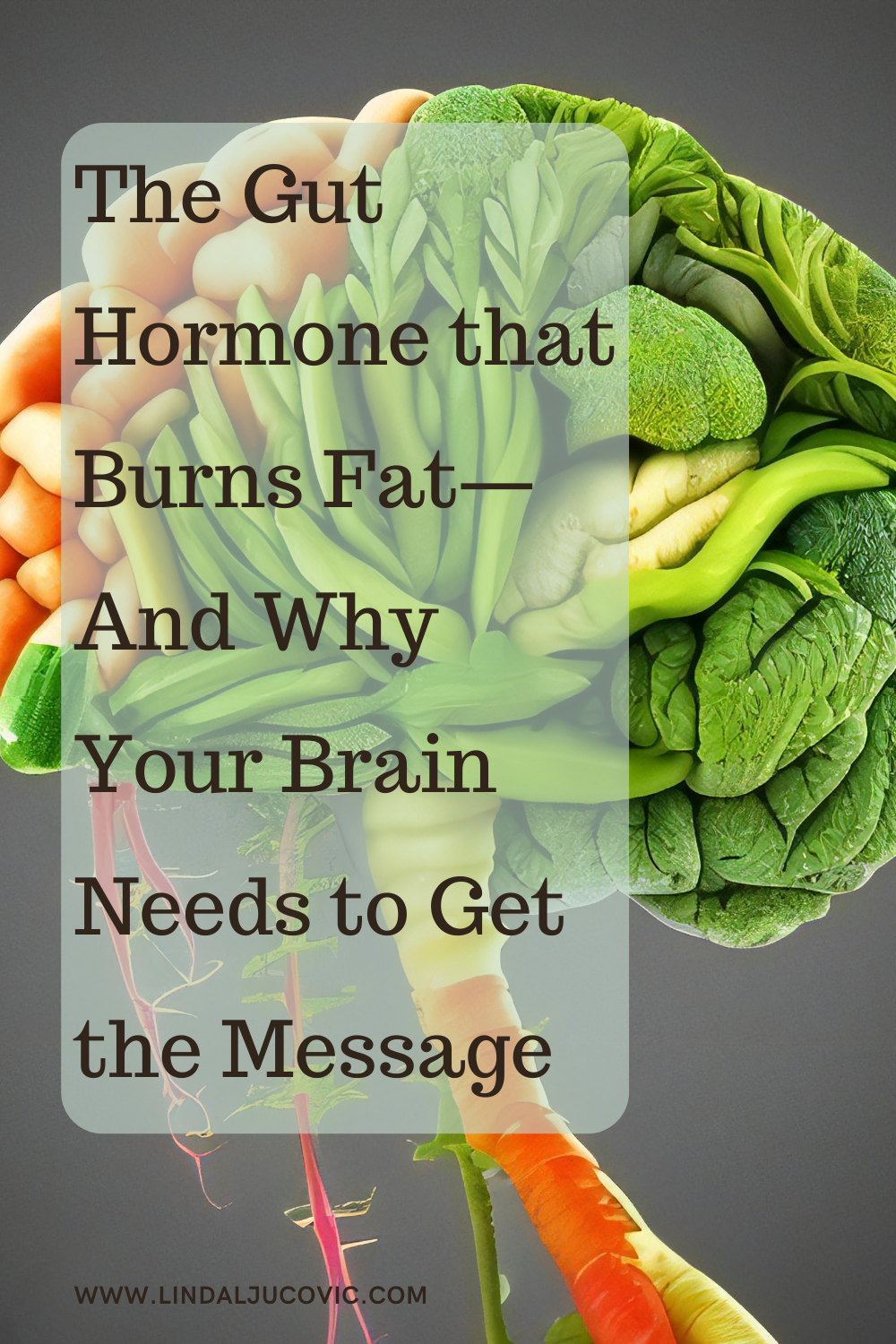
The Gut Hormone that Burns Fat—And Why Your Brain Needs to Get the Message
Have you ever felt like you’re doing all the right things—eating better, exercising—but the scale won’t budge?
Science might have just uncovered a major piece of the puzzle.
Meet FGF19: Your Gut’s Little Fat-Burning Whisperer
Researchers recently discovered a hormone called FGF19—made in your gut after meals—that talks to your brain to help you:
Burn more calories
Regulate blood sugar
Reduce inflammation
Even stay warmer in cold weather!
But here’s the kicker: none of this works unless your brain is getting the message.
Think of It Like a Thermostat and a Furnace
Let’s break it down.
Imagine your gut is the thermostat—it senses what’s going on (food intake, bile production, etc.) and sends signals.
Your brain, especially a part called the hypothalamus, is the furnace controller. It decides how much energy to burn or store based on those signals.
Now, if that connection is blocked (from inflammation, poor gut health, or nervous system dysregulation), it’s like the thermostat is broken. Even if it’s freezing, the furnace won’t turn on.
Your body stops burning fat efficiently. You stay tired. You store more instead of using it.
What the Study Found
Scientists gave this hormone (FGF19) directly to the brains of obese mice.
The result? The mice:
Burned more fat
Used more energy
Controlled blood sugar better
Handled cold better
Had less inflammation
But when researchers shut down the mice’s sympathetic nervous system (that fight-or-flight branch), all the benefits stopped.
Meaning: the body needs a well-functioning gut–brain–nervous system connection to burn fat naturally.
Here’s the study if you want to read the science-y details
How This Relates to My Work as an FDN Practitioner
This study is exciting because it backs up what I do every day with clients:
Support the gut by uncovering ‘hidden stressors’ using the GI Map (a Functional Lab)
Heal inflammation (yes, you can see inflammation on a GI Map)
Rebalance stress and the nervous system (we love the Dutch test for this - a 24 hour urine lab that tests hormones, including your stress hormones!)
Restore proper communication between body systems (we look at how your minerals are contributing to function using the HTMA Lab)
Instead of chasing symptoms or relying on weight loss drugs that mimic hormones (like Ozempic), we work to get your own body to make the right signals again.
Real Talk: Why Your Metabolism Might Be “Offline”
If your:
Gut is inflamed
Bile acids aren’t flowing properly
Nervous system is on overdrive
Sleep is off
Blood sugar is swinging...
Your body can’t make—or hear—important hormones like FGF19. And the result is stubborn weight, bloating, fatigue, and more.
What You Can Do
If you’re curious about how to restore your metabolism and get your body burning fat efficiently again, here’s how I can help:
Functional lab testing – to see where the disconnects are
Targeted protocols – to support gut, stress, detox pathways
A plan – based on you, not cookie-cutter diets. (for example: often I learn some clients are slow oxidizers and so attempting keto is the worst approach in my experience)
Ready to Light the Fire Again?
If you’re tired of pushing harder and getting nowhere, it’s time to listen to your body instead of fighting it.
Let’s work with your biology—not against it.
Book a discovery call with me and let’s explore how we can wake up your metabolism the smart, functional way.
Or you can quickly see my programs here.
For now, here are some things you can start doing..
1. Eat Bitter Foods Before Meals
Bitter foods like arugula, lemon, or apple cider vinegar stimulate bile flow, which is directly tied to FGF19 production.
Try this: 1 tsp of apple cider vinegar in water 10–15 minutes before meals.
You may even want to try our simple and informative resource, Core Confident, Your Blueprint to a Flatter Tummy and Less Bloat
2. Take 3 Deep Breaths Before You Eat
Your body can’t digest food (or make proper gut hormones) when it’s in fight-or-flight mode. Deep breathing activates your parasympathetic nervous system, which helps restore gut–brain communication.
Try this: Inhale for 4, hold for 4, exhale for 6—3x before your next meal.
3. Get More Healthy Fats
Your body needs healthy fats to make hormones, including the ones that regulate metabolism and satiety. Fats also help trigger bile release, which supports FGF19.
Try this: Add avocado, extra virgin olive oil, or a few walnuts to your lunch today.
4. Try a Little Cold Exposure
Even just a cool shower at the end of your hot one can help train your body’s thermogenesis and support the pathways FGF19 is involved in.
Try this: End your shower with 30 seconds of cold water and work up to 2 minutes.
5. Move After You Eat
A 10-minute walk after a meal can help lower blood sugar, reduce insulin spikes, and support better metabolism—all without a gym.
Try this: Walk around the block (or your living room!) after dinner tonight.
You don’t need to overhaul everything at once. Just start with one of these, and watch how your energy, digestion, and metabolism begin to shift.