
Is This Trace Mineral the Key to Alzheimer’s Prevention?
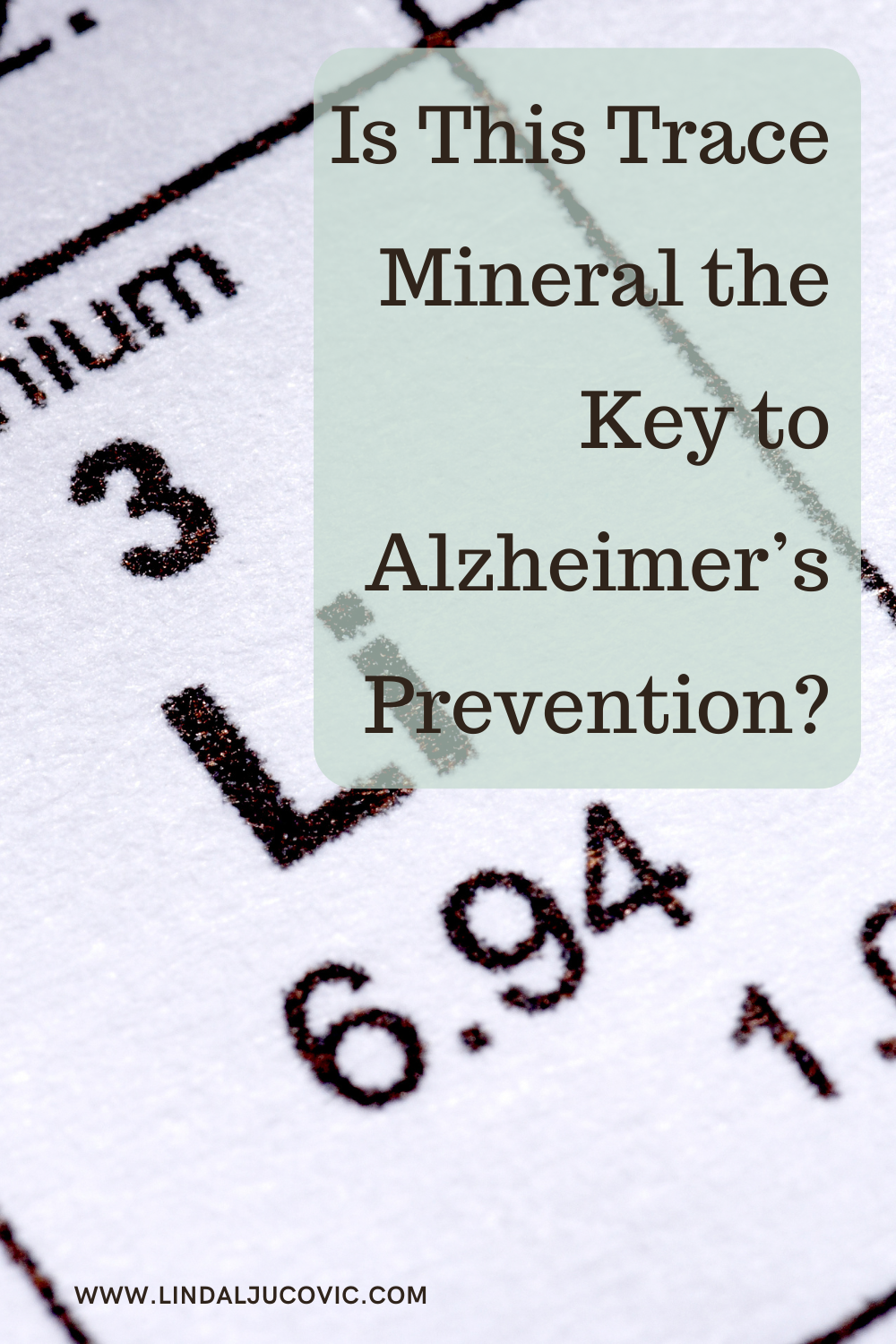
Could the fountain of youth be hiding in your tap water?
In some regions of the world, Alzheimer’s rates are mysteriously lower — and scientists have been trying to figure out why. While diet, lifestyle, and genetics play a role, there’s another factor you might never have considered: the minerals in your water.
One mineral in particular is drawing attention — lithium. Not the high-dose prescription form, but the tiny, naturally occurring amounts found in certain water supplies. Research shows that when lithium levels are just a fraction higher — we’re talking micrograms, not milligrams — dementia rates drop.
In fact, in places where water contains about 0.1–0.3 milligrams of lithium per liter, people not only have better mental health outcomes, but also show a lower risk of Alzheimer’s disease. Even more intriguing, clinical studies have tested microdoses of lithium in supplement form and found it can help slow cognitive decline.
So what does this mean for you?
It’s a reminder that trace minerals matter. Even ones you’ve never thought about could be quietly influencing your brain, mood, and longevity.
But here’s the challenge — most of us have no idea which minerals we’re getting too little of (or too much of). And this balance doesn’t just affect our brain — it affects our energy, hormones, digestion, weight, and how we handle stress.
That’s why I use Hair Tissue Mineral Analysis (HTMA) in my program. In just a small sample of hair, we can see the levels of minerals like lithium, magnesium, zinc, and selenium — and the heavy metals that might be blocking your body from using them properly.
If you’re curious whether your body is missing a mineral that could be protecting your brain, boosting your energy, and balancing your mood, this is where we start.
📌 Learn more about my HTMA program here
Because sometimes the smallest changes — even a few micrograms — can make the biggest difference.